

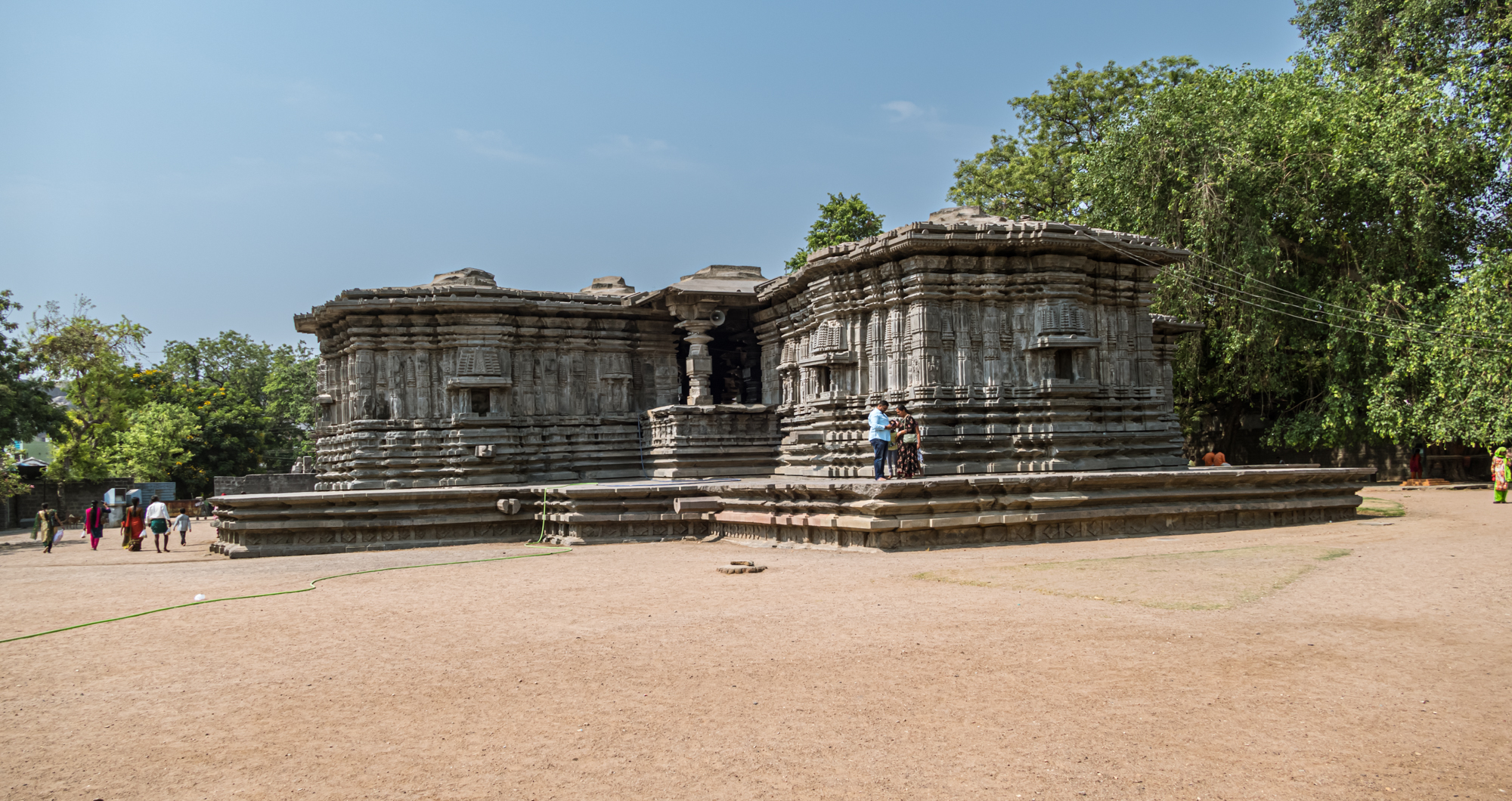
1000 Pillar Temple Hanamkonda, Warangal
In my last post on Warangal Fort, I described Warangal as a one-horse town that forms a part of the Tri-City comprising Warangal, Hanamkonda, and Kazipet. In this tiny town, locating a 1000 Pillar Temple was difficult. Reason? It is a low-rise temple surrounded by a large vacant space, and it is in a labyrinthine maze of narrow alleys that is typical of any small town.
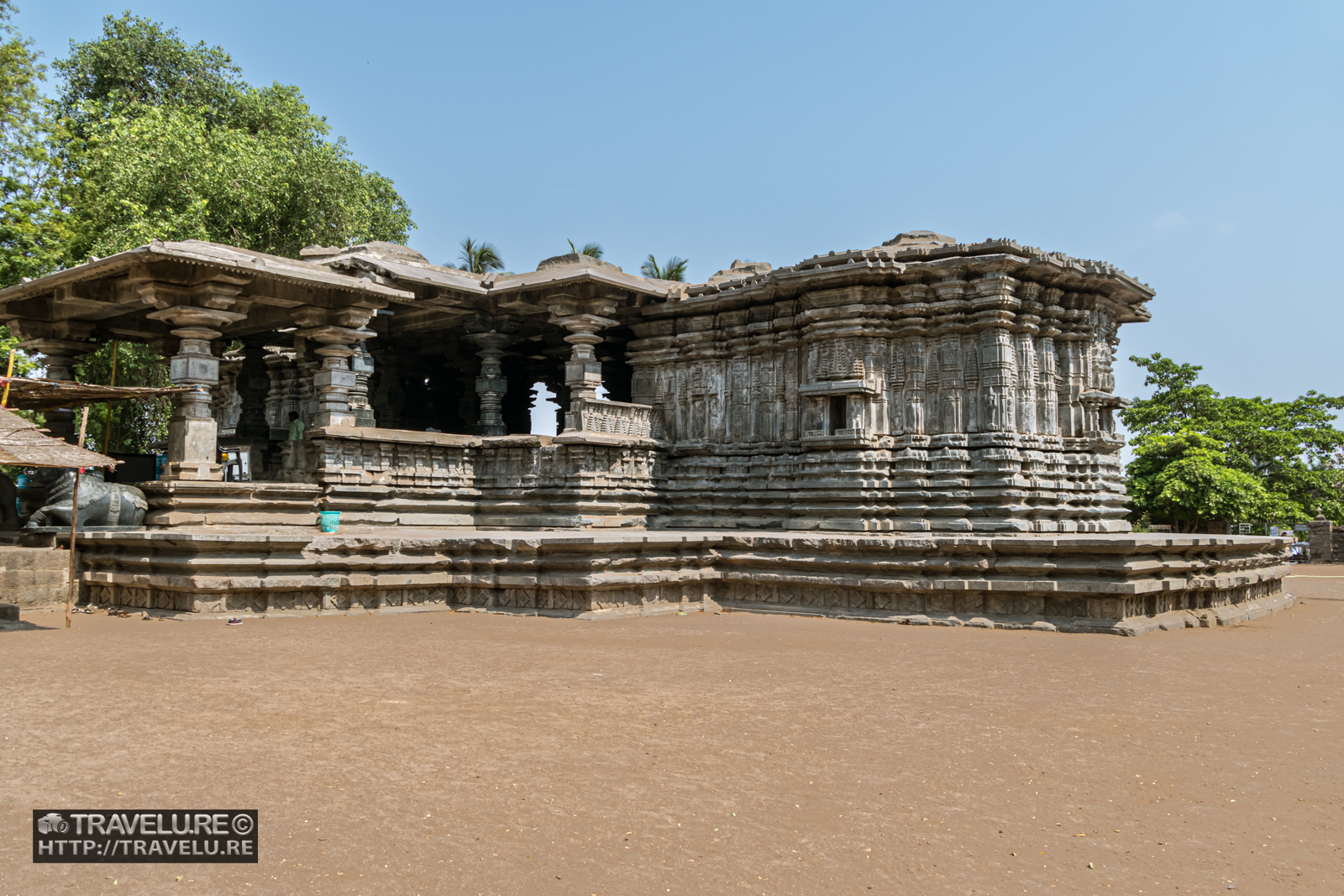
Inside the temple complex
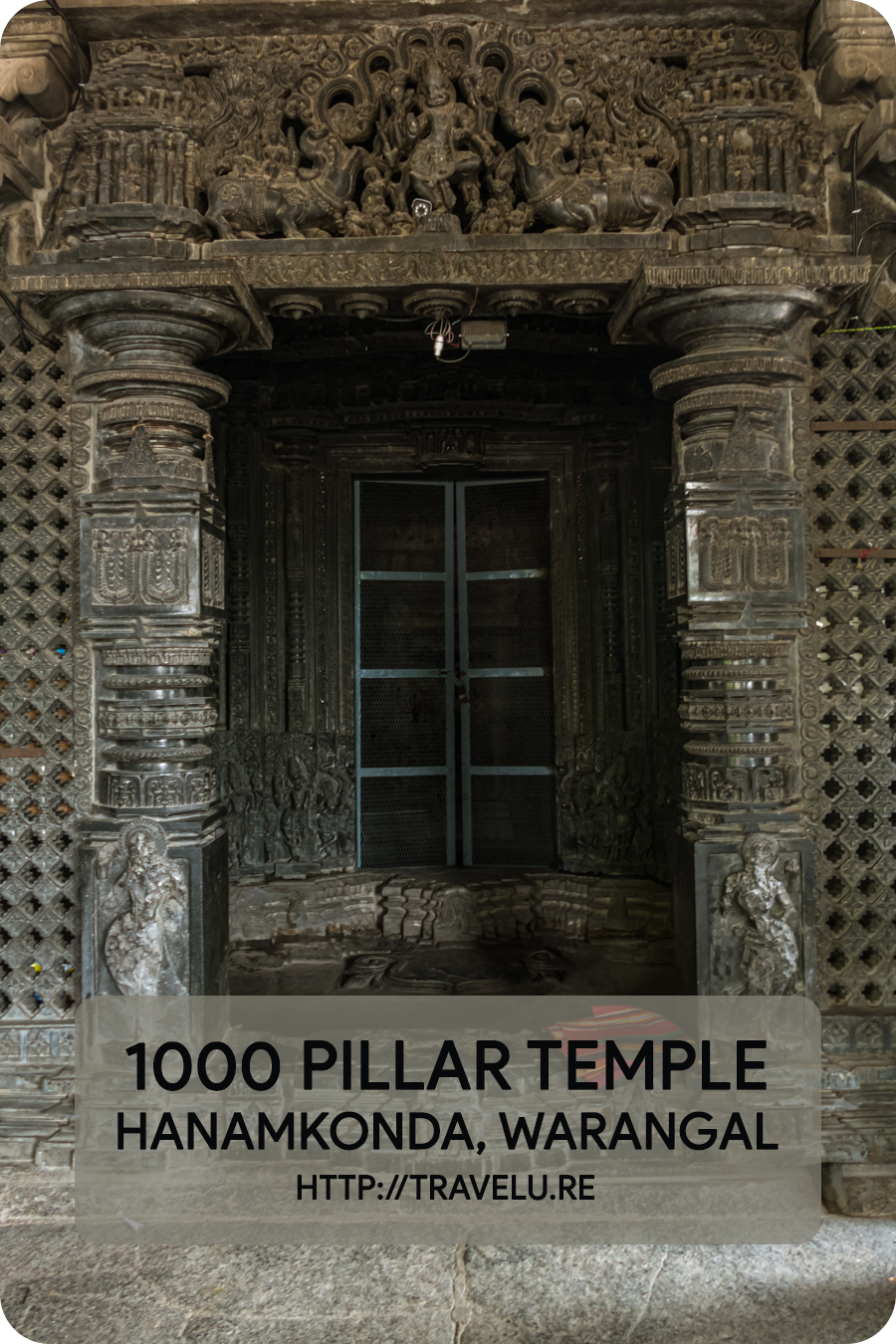
1000 Pillar Temple, also called Rudreshwara Temple, is in Hanamkonda. The Kakatiya Dynasty built it in the 12th century CE. The first glimpse at its facade revealed it was a three-shrine temple. These shrines are atop a 6-foot-high star-shaped platform.
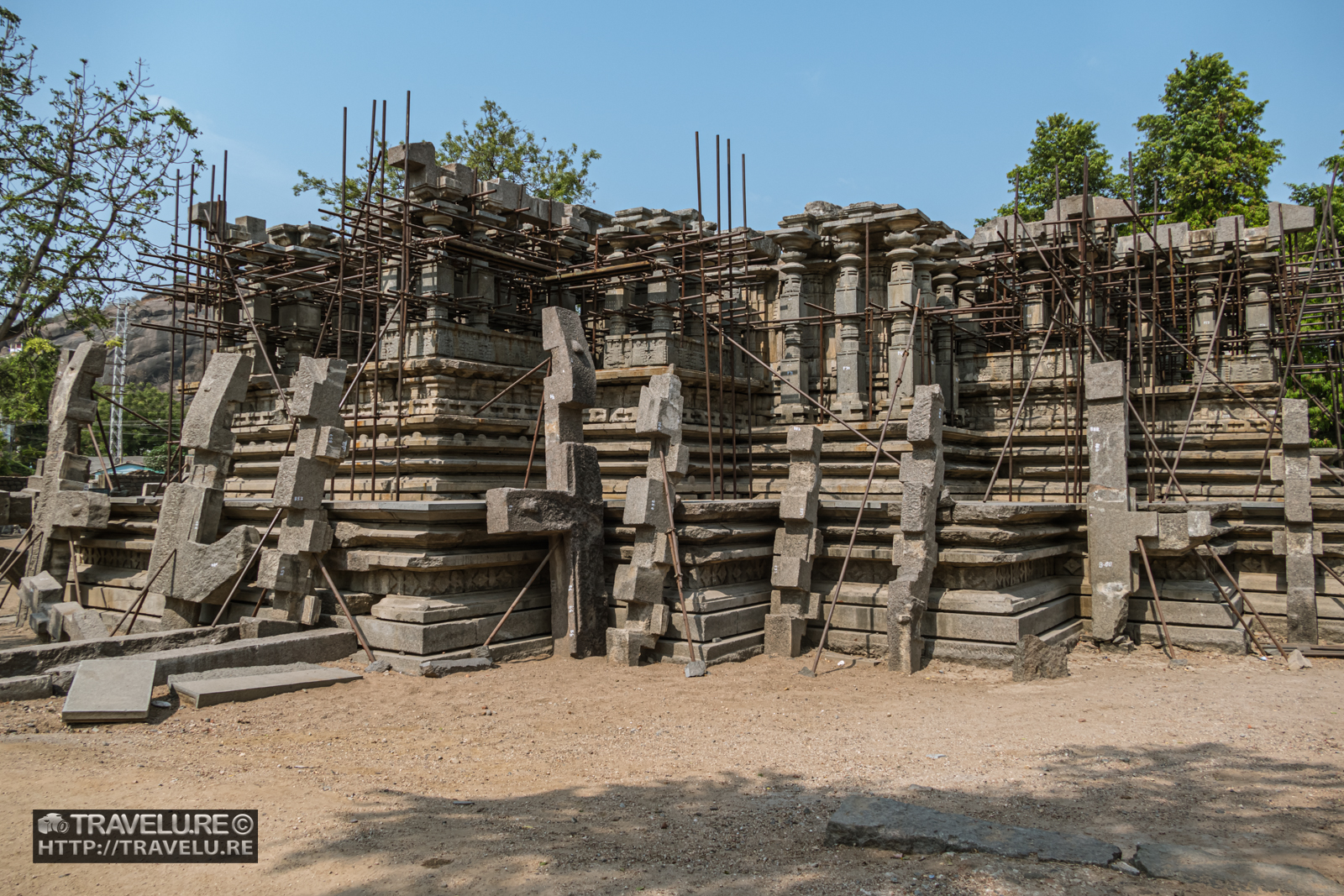
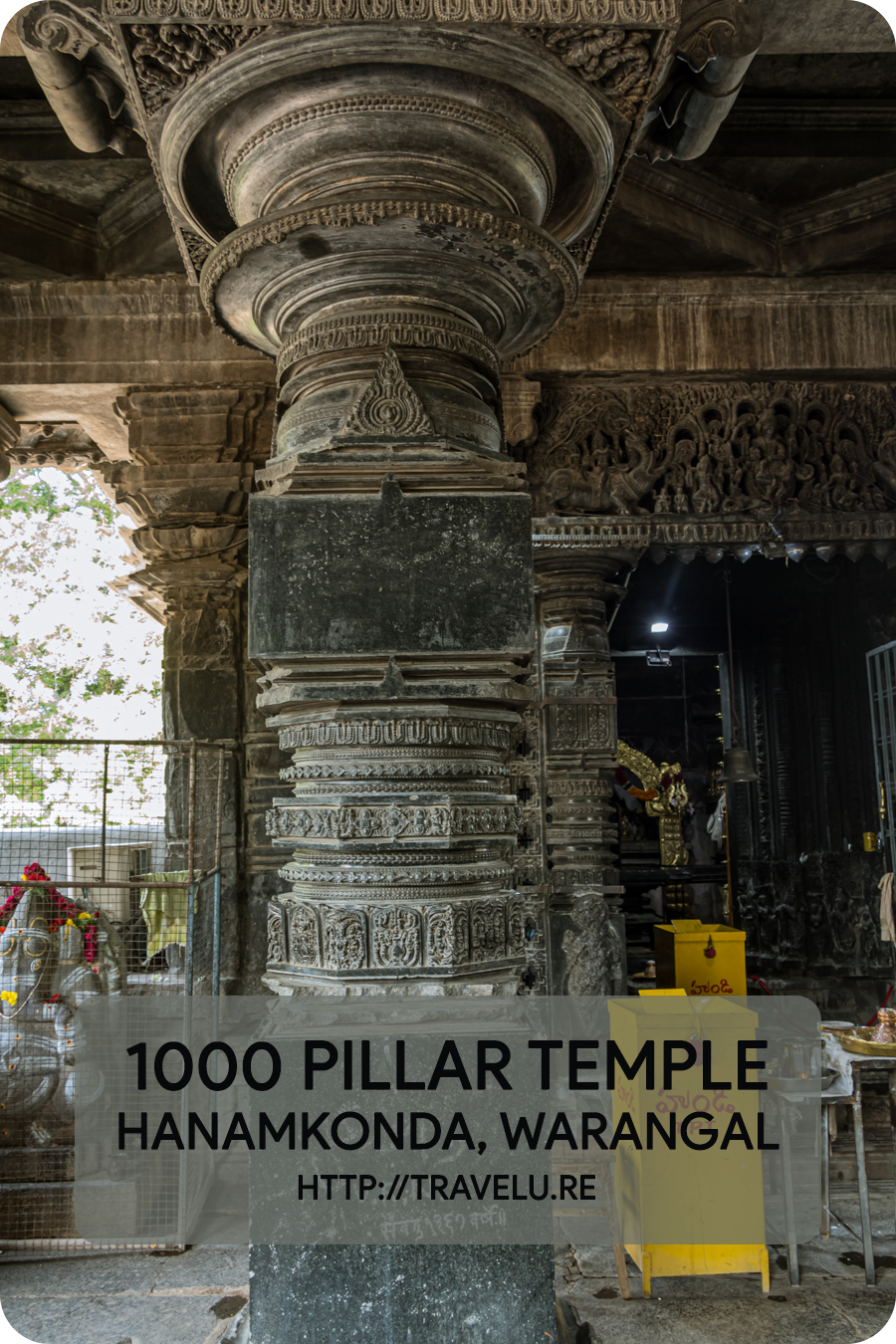
The pillars form the wall of the shrine. These tight-knit pillars are so deceptive you can’t make out the facade has 600 of them! Another structure in the complex is the Mandapam (pavilion). Mandapam alone accounts for ~400 pillars. ASI has dismantled it for restoration.
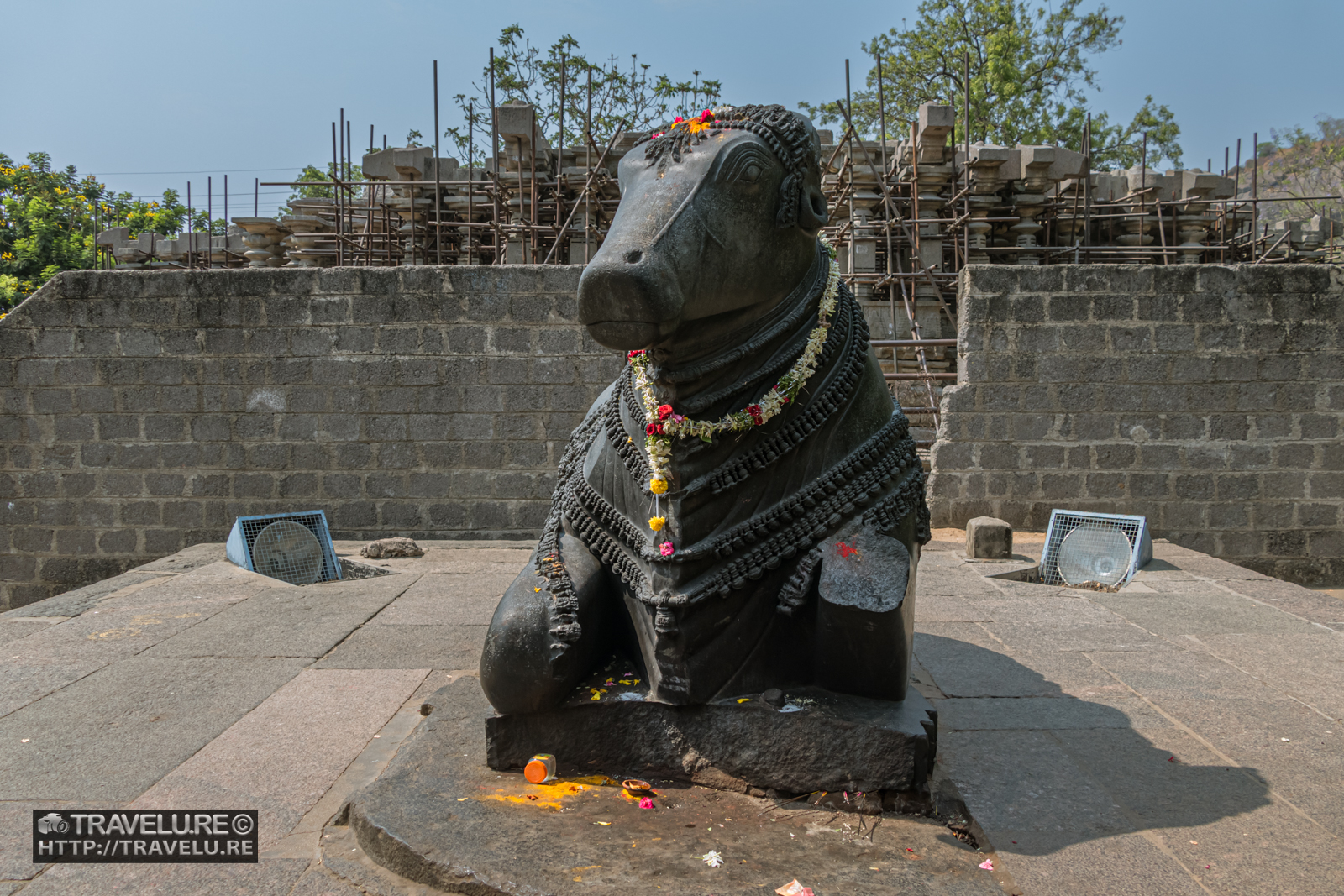
Main Shrine and Natya Mandapam (Dance Hall)
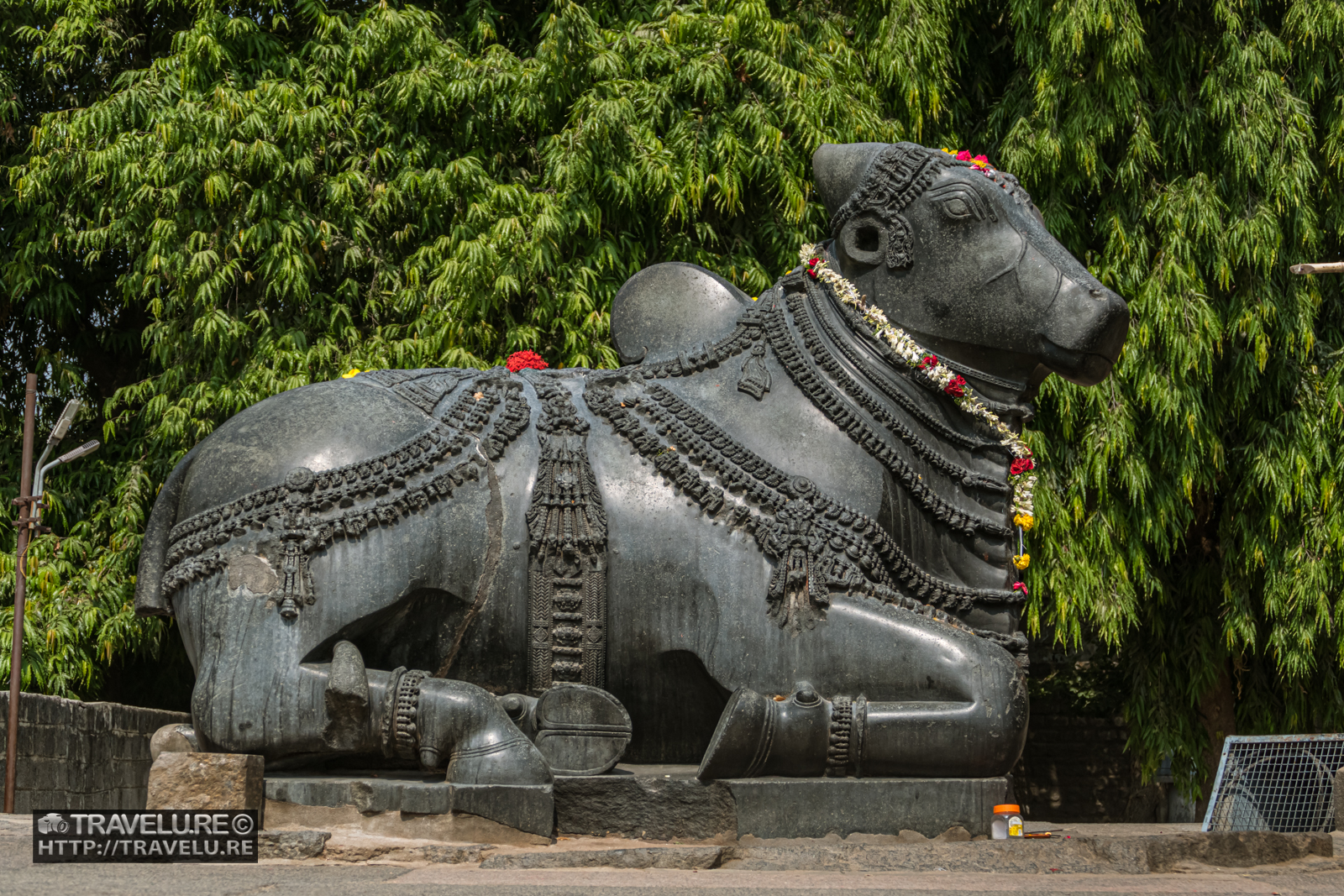
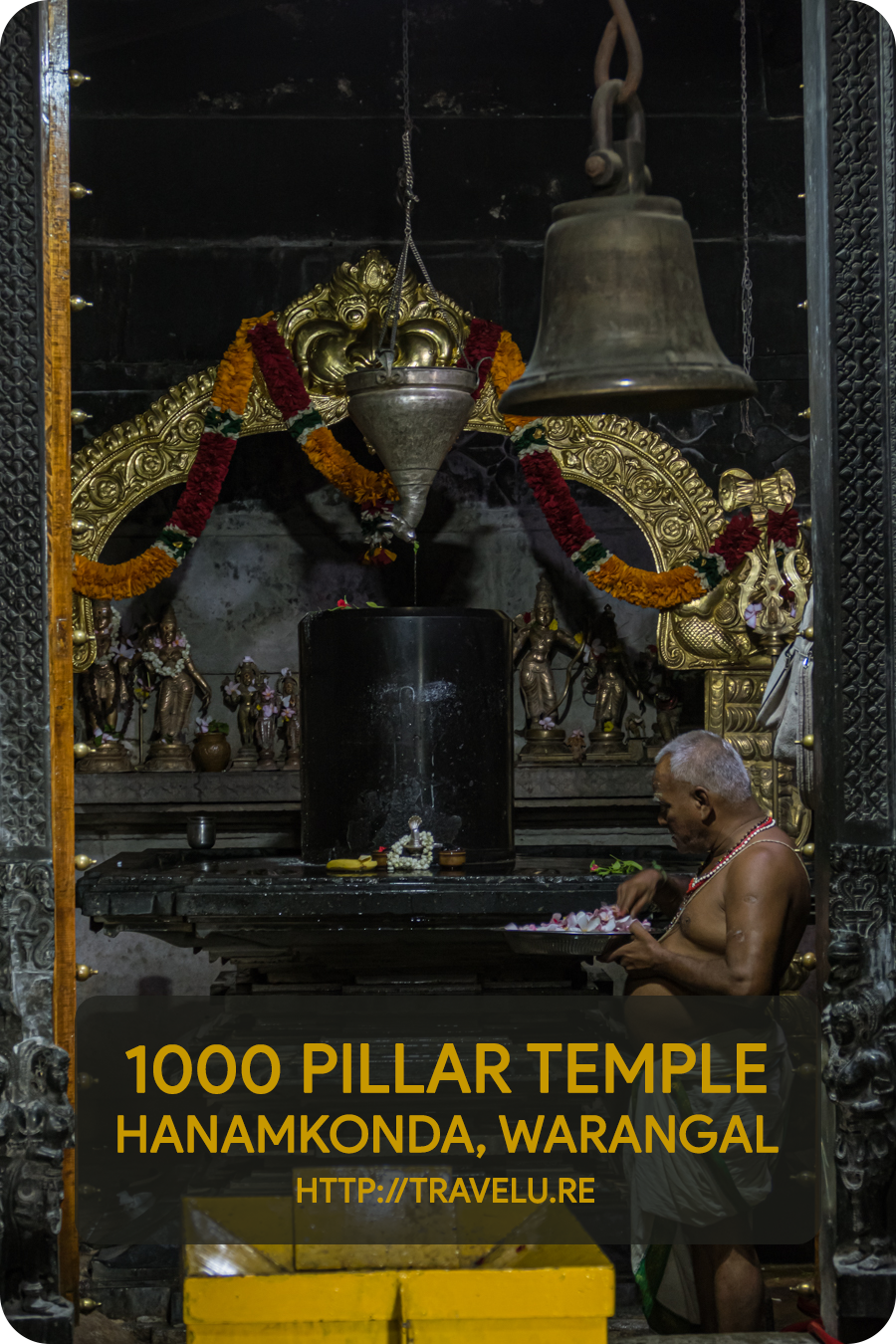
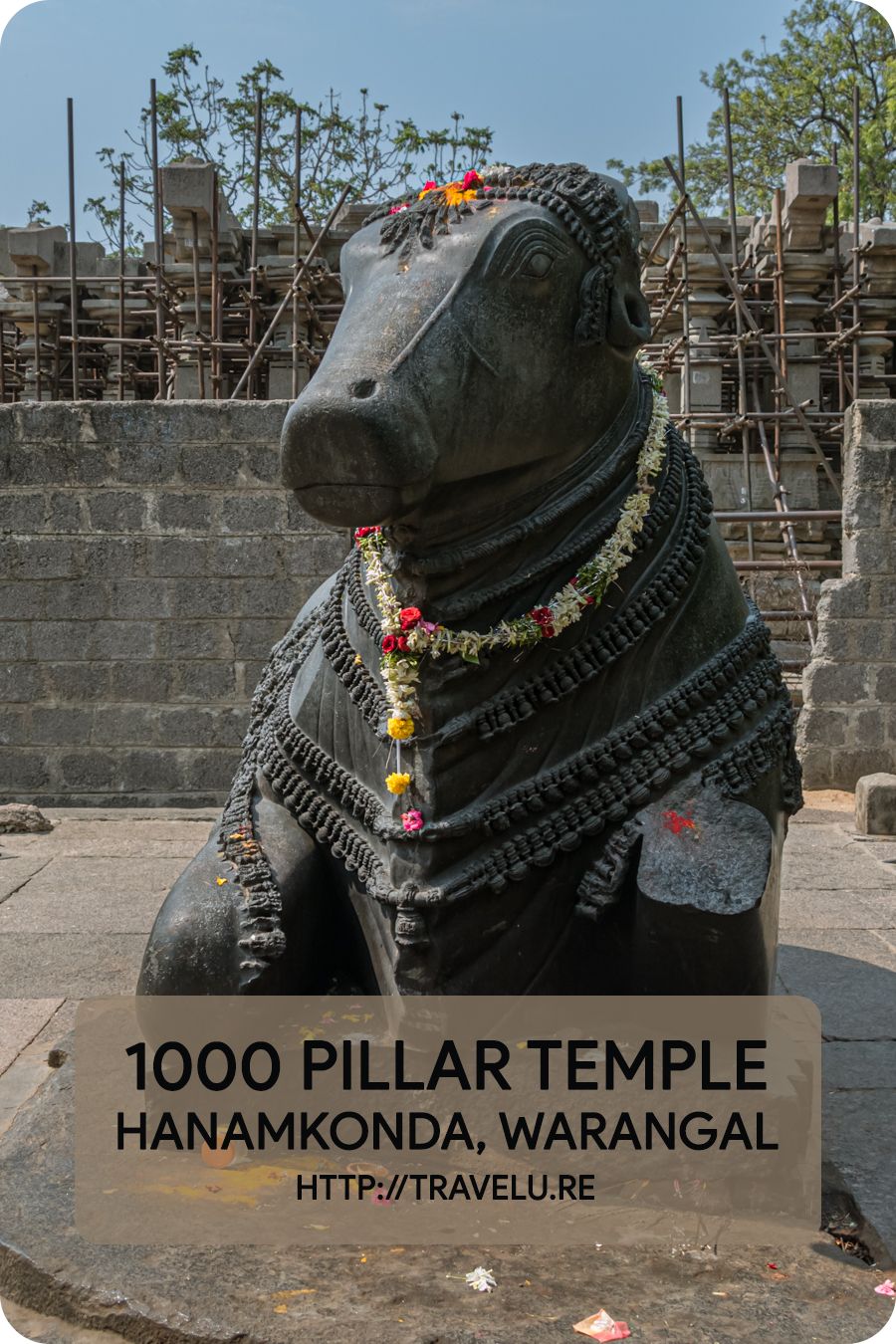
The principal deity in the main shrine is Lord Shiva. Since the Kakatiyas were Shiva devotees, this shrine faces east for the first rays of the sun to fall on the massive shivalinga. The other two shrines, devoted to Vishnu and Surya (Sun), face south and west. On the fourth side is Nandi bull, Lord Shiva’s bodyguard.
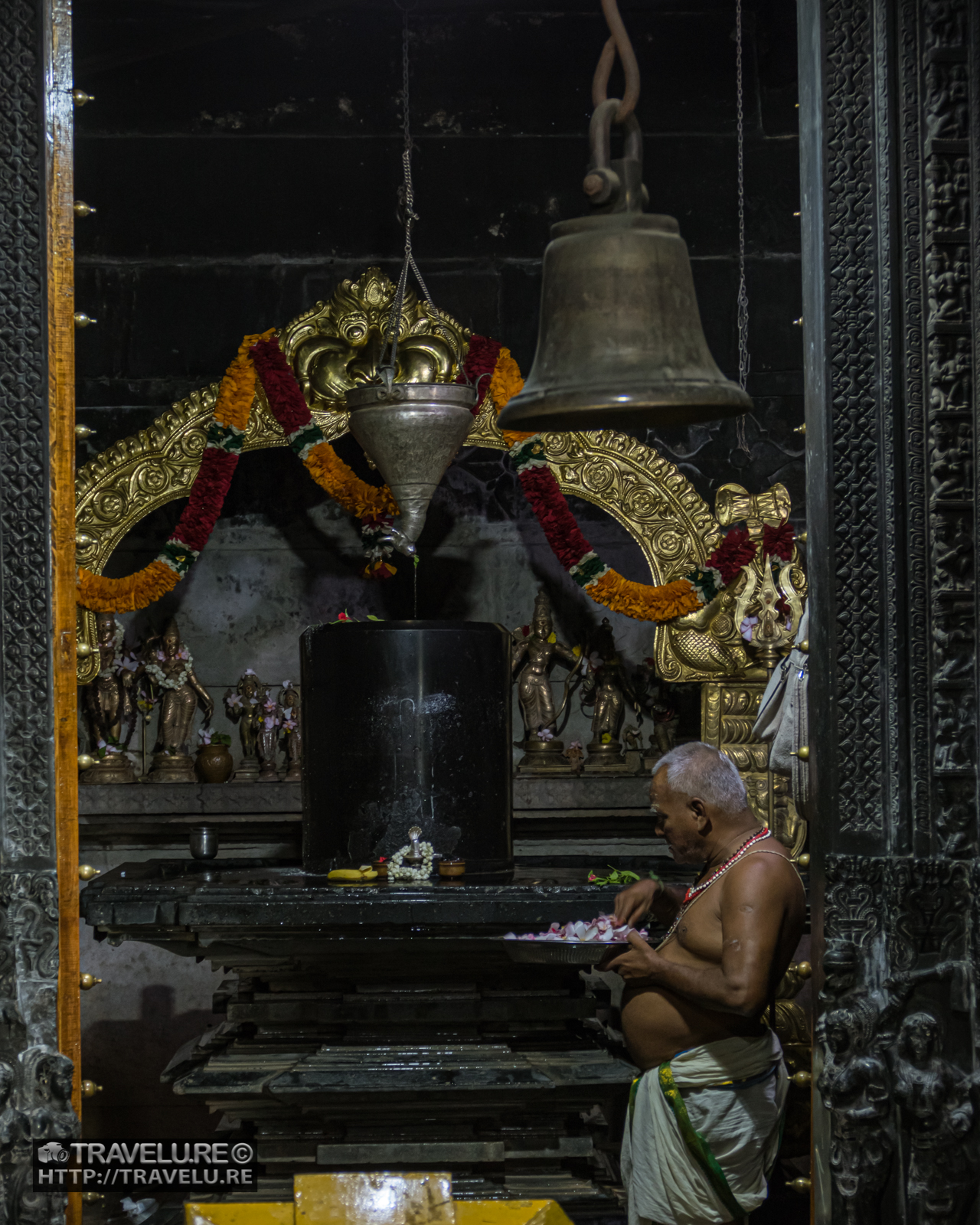
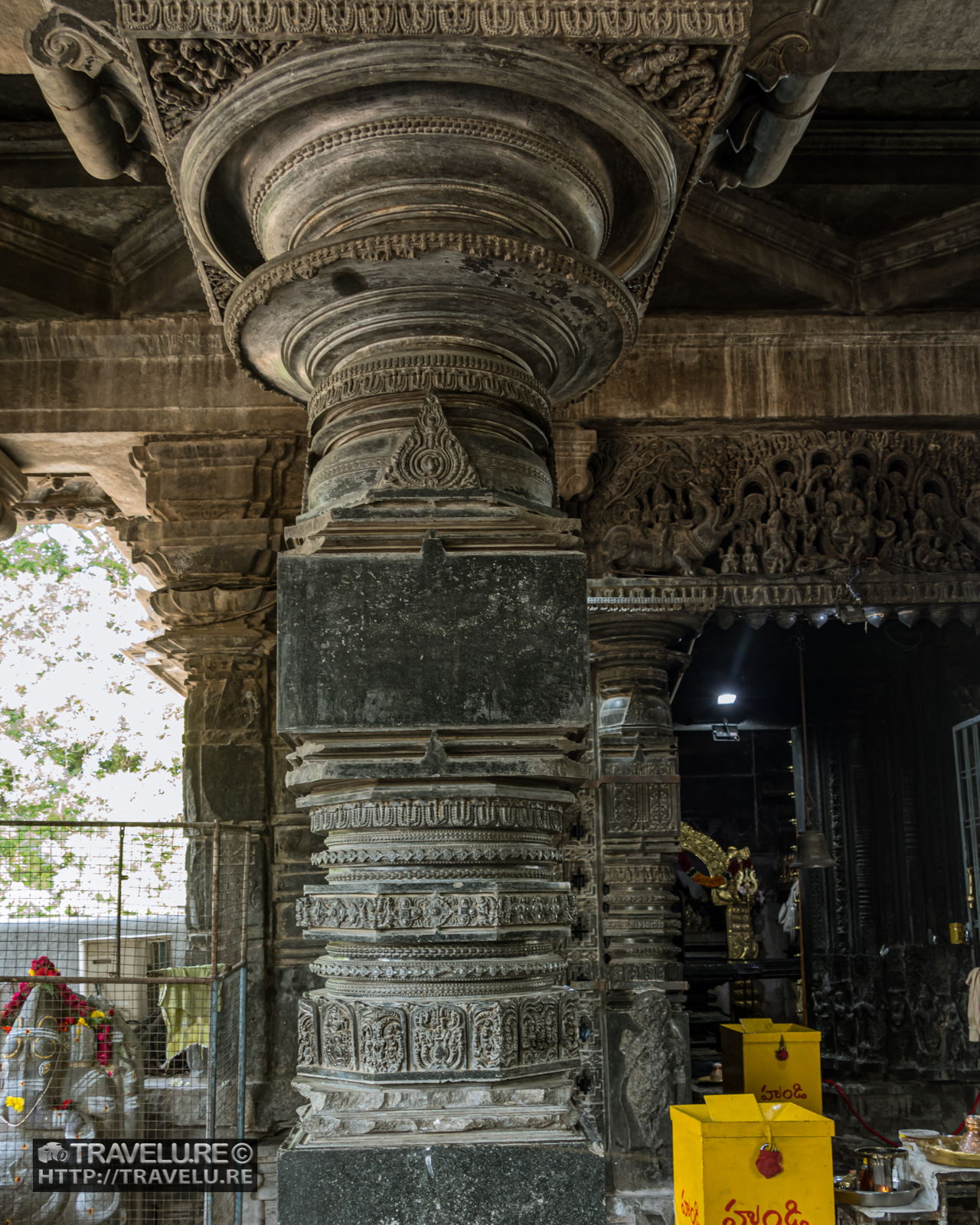
In between these shrines is the Natya Mandapam. Here, dancers performed for the deities. They made its pillars from multiple blocks of stone. The intricate carvings on these use jewellery designs of the era comprising chains, bangles, rings, crowns, kalash (pot), flowers, and more.
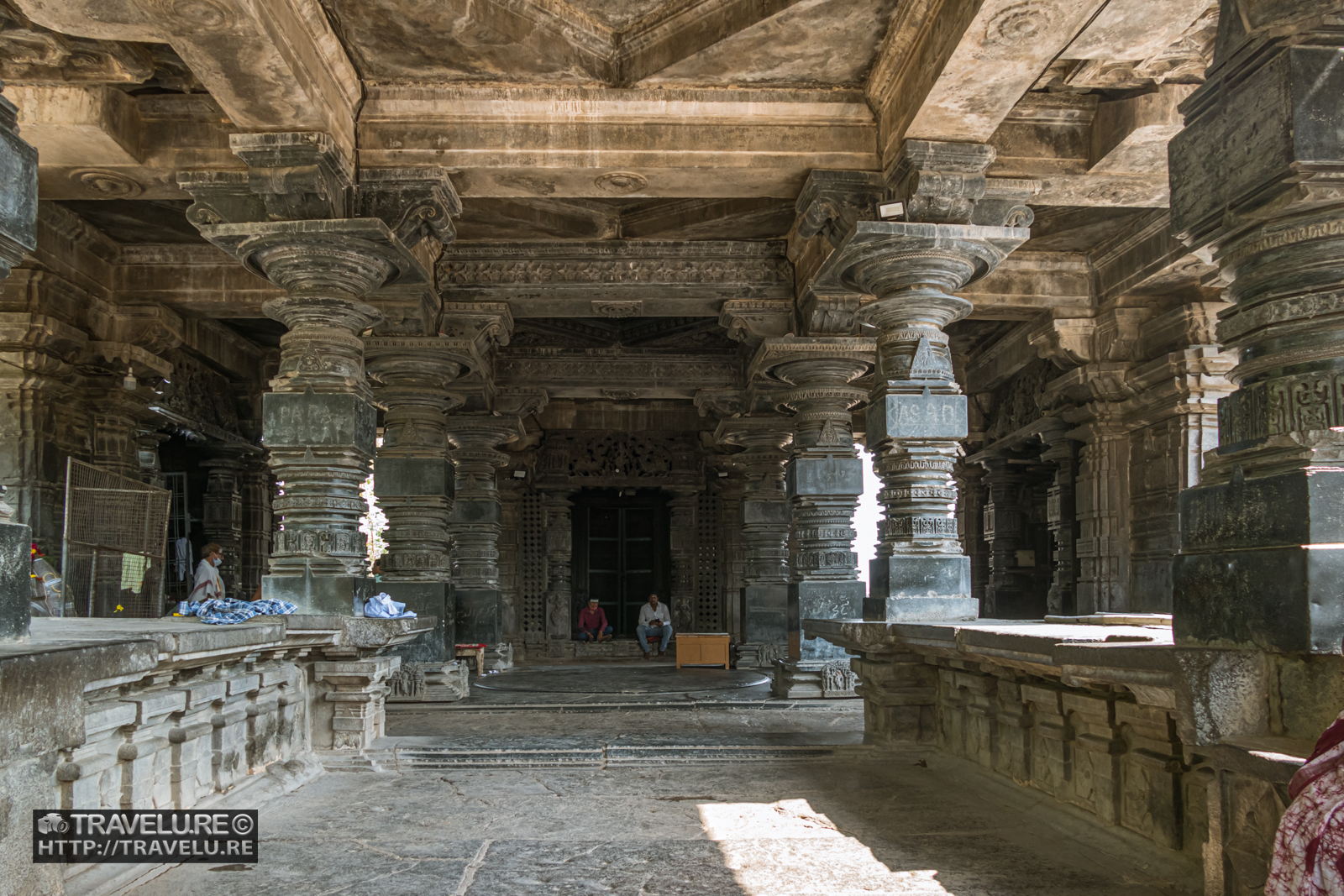
Local sandstone, black granite, and dolerite are used to build this temple. Like most Kakatiya Temple Architecture, carved pillars and beams support its structure. It features another Kakatiya structural trade mark, a sand pack foundation. When ASI pulled down the mandapam (pavilion) for restoration, they found a 30-foot sand pack that formed the foundation of the structure.
Start planning a visit to this town as it has yet another gem I’ll share in the next post. And be ready to be surprised when you visit the temple, for it seems too small to have a thousand pillars.
📷 PHOTOGRAPHER’S FIELD NOTES — 1000 PILLAR TEMPLE
Best time to visit: October to February. Warangal is hot and humid for most of the year. Winter months bring manageable temperatures and cleaner skies, making it far more comfortable for exploration and photography.
Best light: The main shrine faces east, built deliberately so the first rays of the sun fall on the Shivalinga inside. Arrive at sunrise and position yourself on the eastern approach. The low morning light catches the intricate pillar carvings and creates depth and shadow that midday light completely destroys.
What to photograph: Do not rush past the pillars. Get close and fill the frame with the jewellery carvings — chains, bangles, kalash, and floral motifs carved in black granite. The star-shaped platform gives an interesting geometric foreground when shooting the full temple facade from a distance.
Getting there: Hanamkonda is part of the Warangal tri-city area, about 150km from Hyderabad. The drive takes approximately 2.5 hours. Warangal has a railway station with regular trains from Hyderabad. The temple is in the middle of a residential maze, so ask locals once you are in Hanamkonda town.
Combine with: Warangal Fort is nearby and worth visiting in the same trip. Ramappa Temple, a UNESCO World Heritage Site and another masterpiece of Kakatiya architecture, is approximately 60km from Warangal and makes for a compelling addition to a two-day itinerary in the region.
Pin these pillars!





[…] capital of the Kakatiyas before it moved to Warangal. A key attraction in Hanumakonda is the Thousand Pillar Temple (Veyyi Sthambalu Gudi in Telugu), a star-shaped structure built by Rudra Deva in 1163 CE. The […]
wow! Exploring it soon hopefully.
Totally worth it!
Thank you for such an amazing blog. It’s really interesting and informative.