India has 44 UNESCO World Heritage Sites. I have visited and photographed most of them. Here are the 10 that moved me most, and what I learned behind the lens.
India doesn’t just have history. It wears it. On its stones, its stepwells, its cave walls, its sand-red fortresses. As someone who has spent years chasing UNESCO inscriptions across the subcontinent with a camera, I can tell you one thing with certainty: no two of these sites feel alike. Each one demanded a different approach, a different light, a different patience. This is not a list. This is a confession of obsession.
In This Guide
- Taj Mahal, Agra
- Khajuraho Group of Monuments
- Rani-ki-Vav, Patan
- Rock Shelters of Bhimbetka
- Ellora Caves
- Ajanta Caves
- Group of Monuments at Mahabalipuram
- Humayun’s Tomb, Delhi
- Hill Forts of Rajasthan
- Fatehpur Sikri
1. Taj Mahal, Agra | Uttar Pradesh
UNESCO Inscribed: 1983 | Type: Cultural | Best Light: Monsoon Mornings from Mehtab Bagh & Full Moon Night

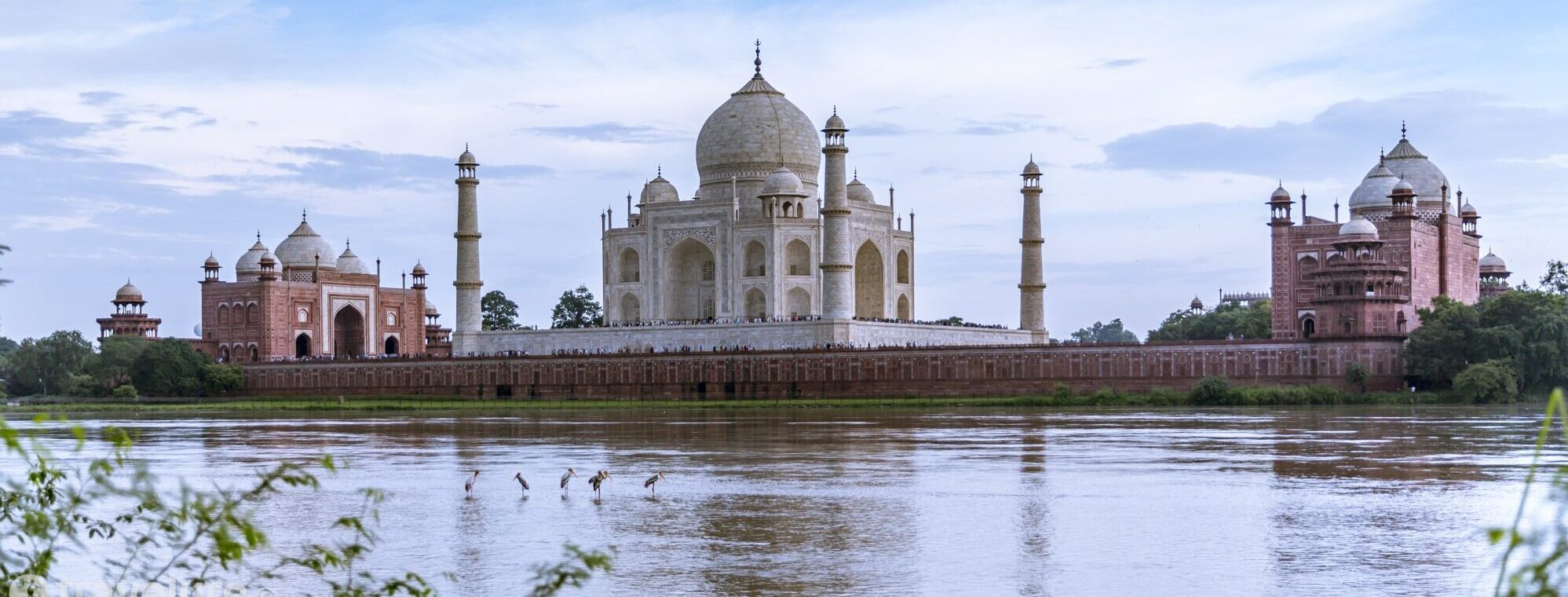
Every photographer arrives at the Taj Mahal with a plan. Mine dissolved the moment I first saw it in the blue hour, still dark enough that the white marble was glowing rather than reflecting. I had read everything about it. Nothing prepares you for the scale of the emotion it generates. This is not just architecture. Tagore called it “a teardrop on the cheek of time.” He wasn’t wrong.
The image above was not made from inside the complex. It was made from Mehtab Bagh, the Moonlight Garden on the opposite bank of the Yamuna, during the monsoon when the river was full and brown and alive. From here, for the first time, you see the Taj as Shah Jahan intended it to be seen from the water: the complete ensemble, the main mausoleum, both the mosque and the Jawab flanking it symmetrically, the red sandstone perimeter wall, and the four minarets standing guard. It is the view that every visitor misses because they never cross the river. Cross the river.
Inside the complex, the Taj belongs to everyone and to the monkeys. I once spent twenty minutes trying to compose a clean shot of the main facade, and a large male langur simply walked into the foreground and sat down, tail raised, entirely indifferent to my presence and to the wonder behind him. I kept that frame. It is the most honest picture I have of the Taj: eternal marble, wet monsoon flagstones, tourists photographing tourists, and a monkey who has seen it all before.
📷 Photographer’s Tip: For the view that almost nobody makes, cross to Mehtab Bagh on the north bank of the Yamuna. Visit during or just after monsoon when the river is high and the muddy water reflects the marble. A 70-200mm lens from the riverbank compresses the full facade beautifully. Inside the complex, stop trying to eliminate the crowds and the wildlife. They are part of the Taj’s living truth, and the photographs that include them are almost always more interesting than the ones that don’t.
Read the Full Taj Mahal Story on Travelure
2. Khajuraho Group of Monuments | Madhya Pradesh
UNESCO Inscribed: 1986 | Type: Cultural | Best Light: Dawn (east-facing temples catch the first sun)
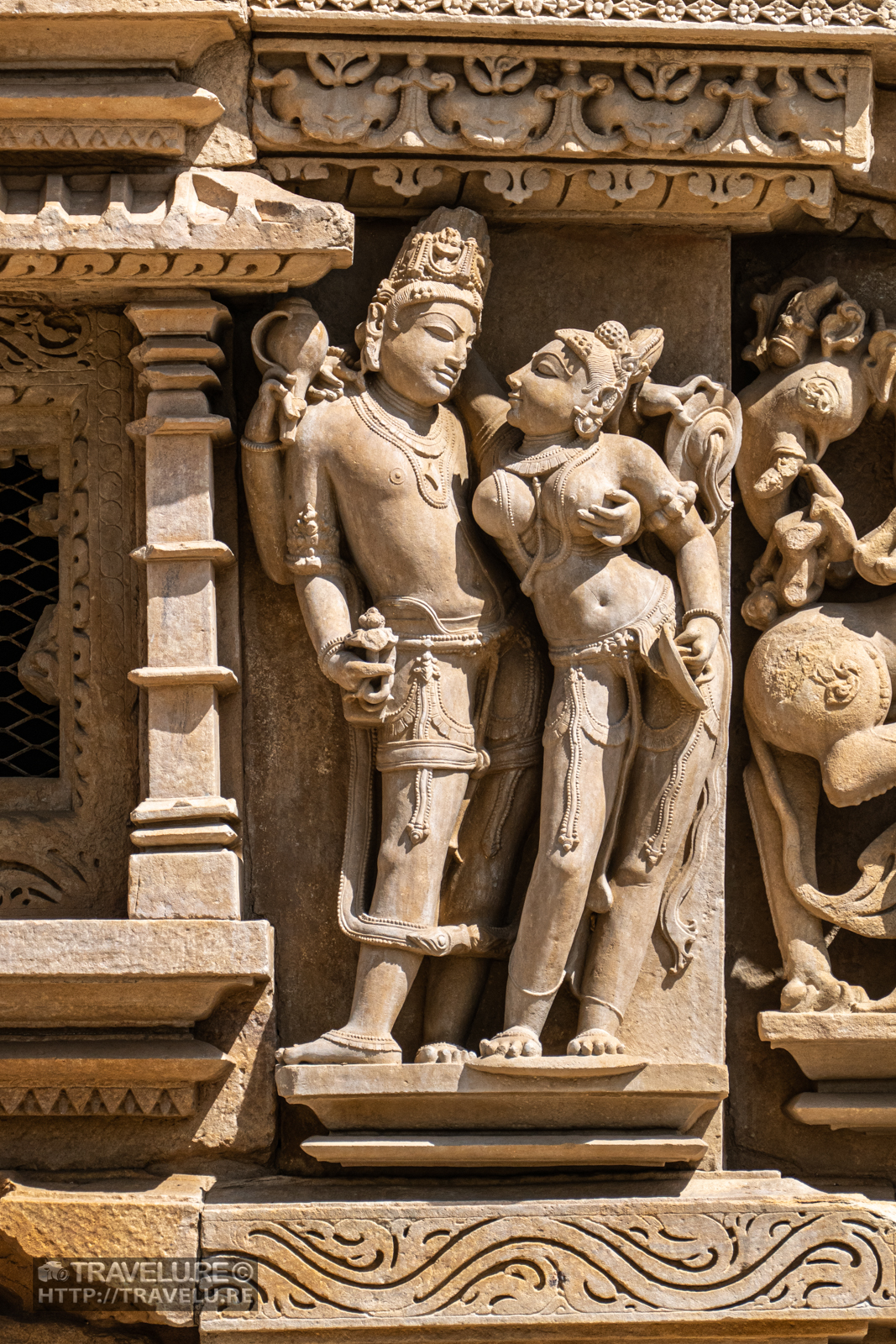
Most people come to Khajuraho for the erotic sculptures, snicker awkwardly, and leave. That is a tragedy. Because what the Chandela kings built here between 950 and 1050 CE is among the most complete artistic statements in human history: Dharma, Kama, Artha, and Moksha expressed in stone with an honesty that puts modern prudishness to shame.
Stand close to the Lakshmana or Kandariya Mahadeva temples at dawn when the sandstone catches the first orange light and you will understand why these were built facing east. The sculptural friezes positively ignite. I spent three dawns here before I got the image I wanted: the play of raking light across the sculptural figures, turning them from carved stone into something that almost breathes.
📷 Photographer’s Tip: The temples are all east-facing, so sunrise is non-negotiable. Use a long lens (100mm+) to compress the sculptural panels and isolate individual figures from the crowded friezes. The western group is the most photogenic, and Kandariya Mahadeva is the crown jewel.
Explore Madhya Pradesh on Travelure
3. Rani-ki-Vav (The Queen’s Stepwell), Patan | Gujarat
UNESCO Inscribed: 2014 | Type: Cultural | Best Light: Mid-Morning (when sun reaches the lower levels)
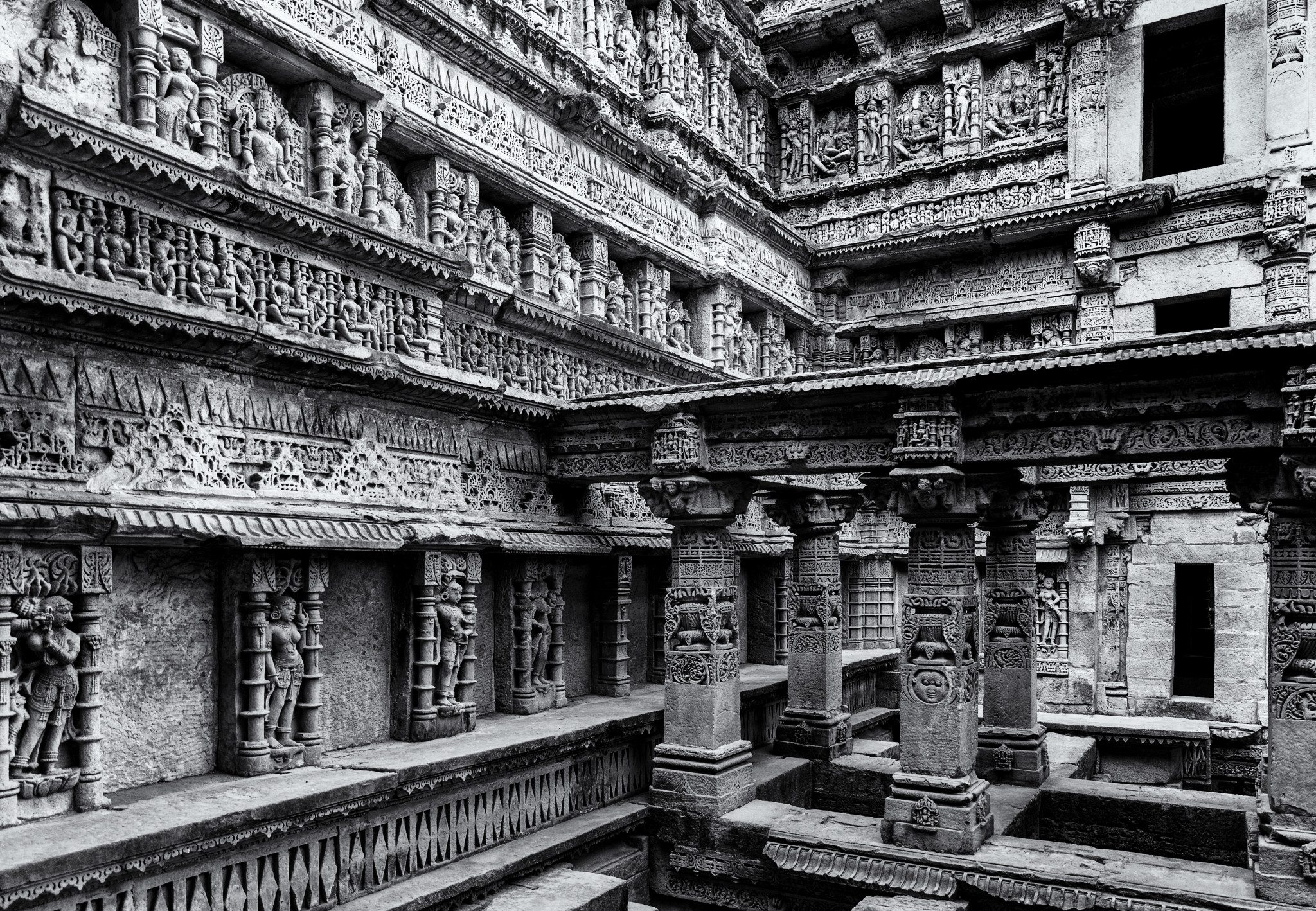
I have a personal theory: the most underrated UNESCO site in India is not the one most people would guess. It is Rani-ki-Vav in Patan, a stepwell built in the 11th century by Queen Udayamati in memory of her husband, King Bhimdev I. It was buried under silt for 700 years, which is precisely why it survived so perfectly. The Archaeological Survey of India uncovered it in the 1980s. UNESCO inscribed it in 2014. And still, most Indian tourists have never heard of it.
Descending into Rani-ki-Vav is like descending into a dream. Seven levels of carved galleries, over 500 principal sculptures and more than a thousand minor ones. Vishnu in his ten avatars lines the walls. The craftsmanship is so fine it was featured on India’s Rs.100 note, and even that doesn’t do it justice.
📷 Photographer’s Tip: The stepwell runs east-west. Morning light penetrates the lower levels beautifully; by 10am the sculptures on the third and fourth levels are fully lit. A wide-angle lens (16-24mm) captures the tunnel-like depth of the galleries. Shoot from the middle levels looking across the galleries — the colonnade of pillars creates natural depth and framing, and the sculptural density on the walls becomes visible at every level simultaneously. Black and white conversion in post-processing strips away the stone colour and lets the geometry and figures speak entirely on their own terms.
4. Rock Shelters of Bhimbetka | Madhya Pradesh
UNESCO Inscribed: 2003 | Type: Cultural | Best Light: Overcast (avoids harsh shadows on cave walls)
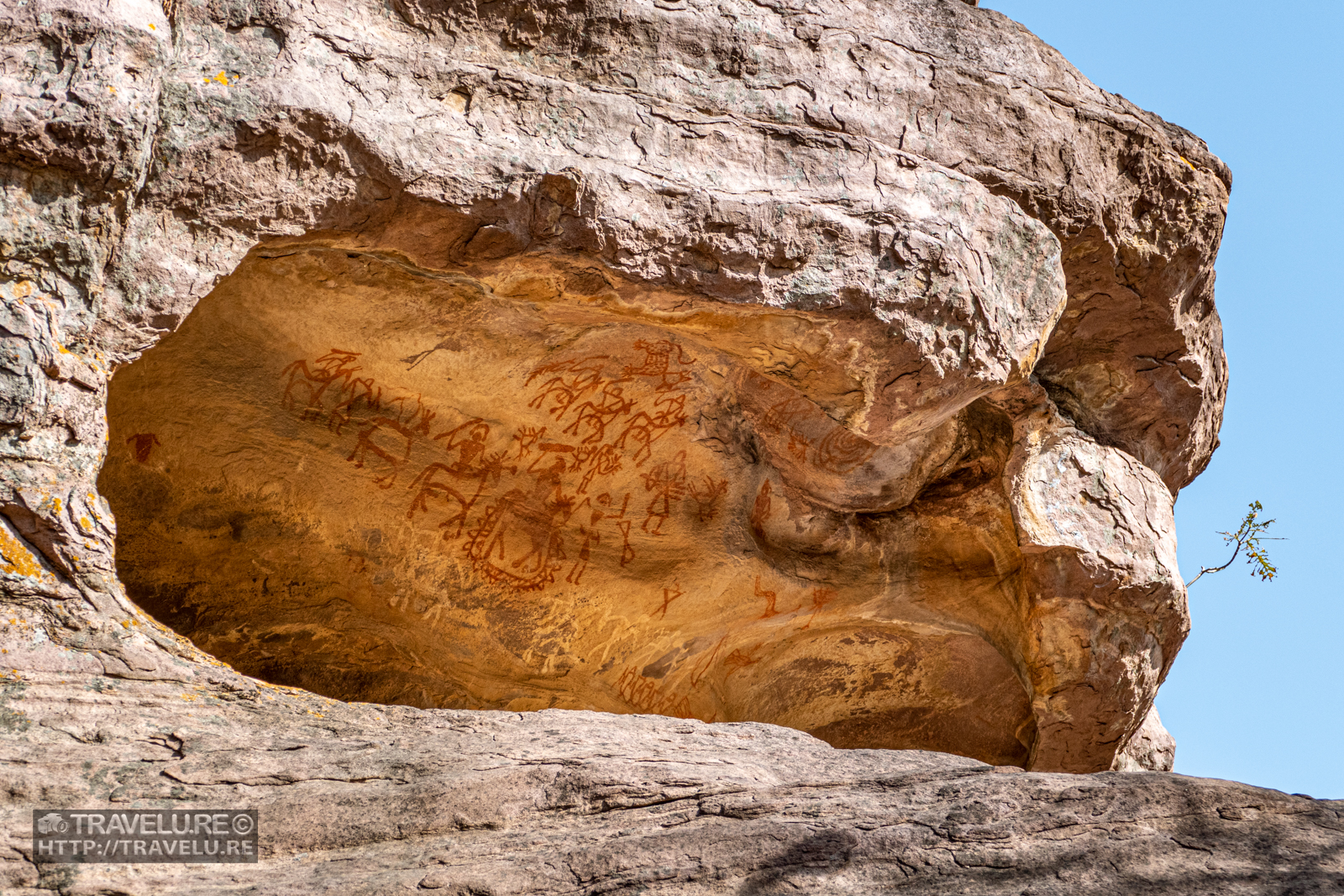
Bhimbetka is the humbling one. Here, in the foothills of the Vindhya range, human beings painted on rock walls 30,000 years ago. Not sketches: vivid, intentional paintings of hunts, dances, animals, ceremonies. The same shelters show continuous human habitation from the Lower Palaeolithic right through to the medieval period. The whole of human time, compressed into a few square kilometres of sandstone.
I went expecting rock art. I left thinking about continuity: about what it means that the same species that painted a bison here in ochre tens of thousands of years ago eventually built the Taj Mahal. Bhimbetka is not on most tourist itineraries. It should be on every thinking person’s.
📷 Photographer’s Tip: Harsh sunlight creates deep shadows inside the rock shelters and washes out the delicate ochre pigments. Visit on an overcast day or in the soft light of early morning. Pull back far enough to include the rock overhang as a natural frame around the paintings — this contextualises both the art and its remarkable preservation in a single shot. Avoid flash entirely; it flattens the texture and damages the pigments over time.
Explore Madhya Pradesh on Travelure
5. Ellora Caves | Maharashtra
UNESCO Inscribed: 1983 | Type: Cultural | Best Light: Morning for Kailasa Temple; Afternoon for Buddhist caves

If you could only see one thing in Maharashtra that wasn’t Mumbai, make it Ellora. Thirty-four rock-cut temples and monasteries, Buddhist, Hindu, and Jain, carved between the 6th and 11th centuries CE into a single basalt escarpment. They did not build these. They excavated them. Top-down, like reverse sculpture, removing millions of tonnes of rock to reveal the temples within.
The Kailasa Temple (Cave 16) is the centrepiece: a monolithic temple dedicated to Shiva, carved from a single rock and larger than the Parthenon. Standing at its base and looking up, I found myself doing the maths over and over. The numbers don’t compute. The ambition is incomprehensible. It took generations.
📷 Photographer’s Tip: The Kailasa Temple faces east, so the morning light fills its courtyard and illuminates the elephant friezes along its base dramatically. Use the upper gallery walkway (accessible via stairs on the sides) to shoot down into the courtyard. That elevated angle reveals the full scale of what was carved here in a way that no ground-level shot can match.
Explore Maharashtra on Travelure
6. Ajanta Caves | Maharashtra
UNESCO Inscribed: 1983 | Type: Cultural | Best Light: Late Morning (sun arc hits cave mouths)
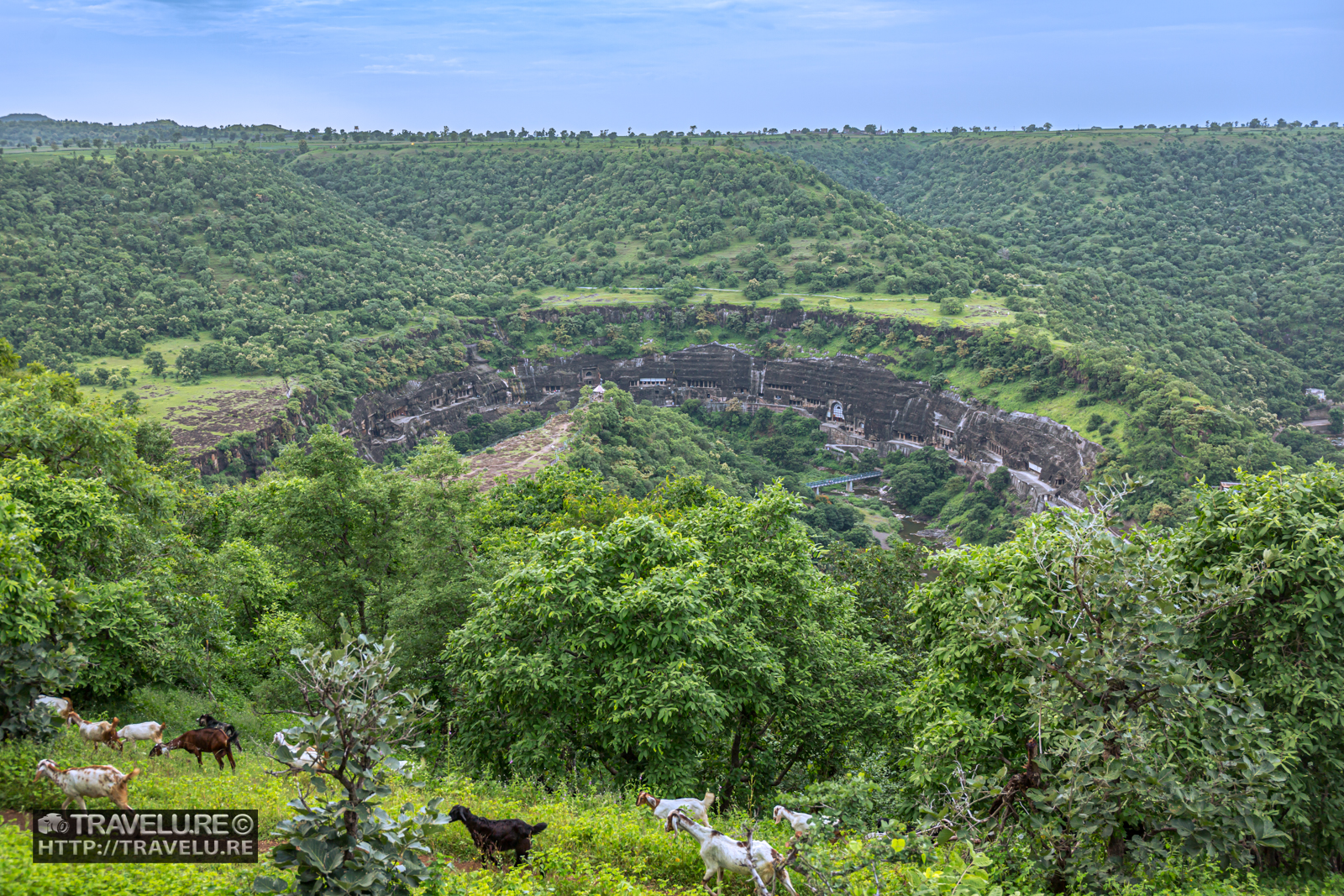
Ellora impresses with its scale. Ajanta moves you with its intimacy. These 31 Buddhist caves, carved into a horseshoe-shaped gorge above the Waghora River between the 2nd century BCE and 6th century CE, contain the finest surviving examples of ancient Indian painting in existence. Frescoes depicting the Jataka tales, the past lives of the Buddha, executed with a sophistication of colour and expression that Western art would not match for another millennium.
The rediscovery of Ajanta in 1819 by a British officer on a tiger hunt is one of history’s great accidents. For centuries, the jungle had swallowed it. That isolation preserved what it might otherwise have destroyed. Walking through with a torch, watching figures emerge from the darkness: a prince, a lotus, a weeping woman. It is an experience that does not leave you.
📷 Photographer’s Tip: Photography inside the caves is permitted without flash. The challenge is extreme low light; the frescoes are ancient and light-sensitive, and tripods are not allowed. Use your highest ISO capability and shoot handheld at 1/60s or faster, bracing against the cave walls. For the definitive wide-angle composition, drive to the viewpoint 22 km from the caves — the full horseshoe gorge reveals itself through the monsoon forest, and the cave entrances are still clearly visible at that distance. That alone tells you something about the scale of what the Buddhist monks carved here.
Explore Maharashtra on Travelure
7. Group of Monuments at Mahabalipuram | Tamil Nadu
UNESCO Inscribed: 1984 | Type: Cultural | Best Light: Sunrise (Shore Temple faces east)

Mahabalipuram does something that few heritage sites manage: it combines great art with an intoxicating setting. The Pallava dynasty carved these temples, rathas, and rock reliefs on the Coromandel Coast in the 7th and 8th centuries CE, leaving them to be framed forever by the Bay of Bengal. The Shore Temple, standing sentinel at the water’s edge since 700 CE, is one of the most photogenic structures in India at any time of day, but particularly at sunrise when the sea turns gold.
The Arjuna’s Penance panel, a 27-metre long bas-relief considered the largest in the world, stopped me cold for over an hour. An entire cosmology carved into a single face of granite: celestials, animals, sages, and a cleft through which actual water once flowed as the sacred Ganga.
📷 Photographer’s Tip: The Shore Temple faces east, so sunrise is the moment. The Shore Temple at dusk, shot against the setting sun, reduces the structure to pure silhouette — and the stepped Pallava shikhara profile is so distinctive it needs no surface detail to be immediately recognisable. Shoot into the sun, expose for the sky, and let the temple go completely black.
Explore Tamil Nadu on Travelure
8. Humayun’s Tomb | Delhi
UNESCO Inscribed: 1993 | Type: Cultural | Best Light: Late Afternoon (red sandstone deepens in warm light)
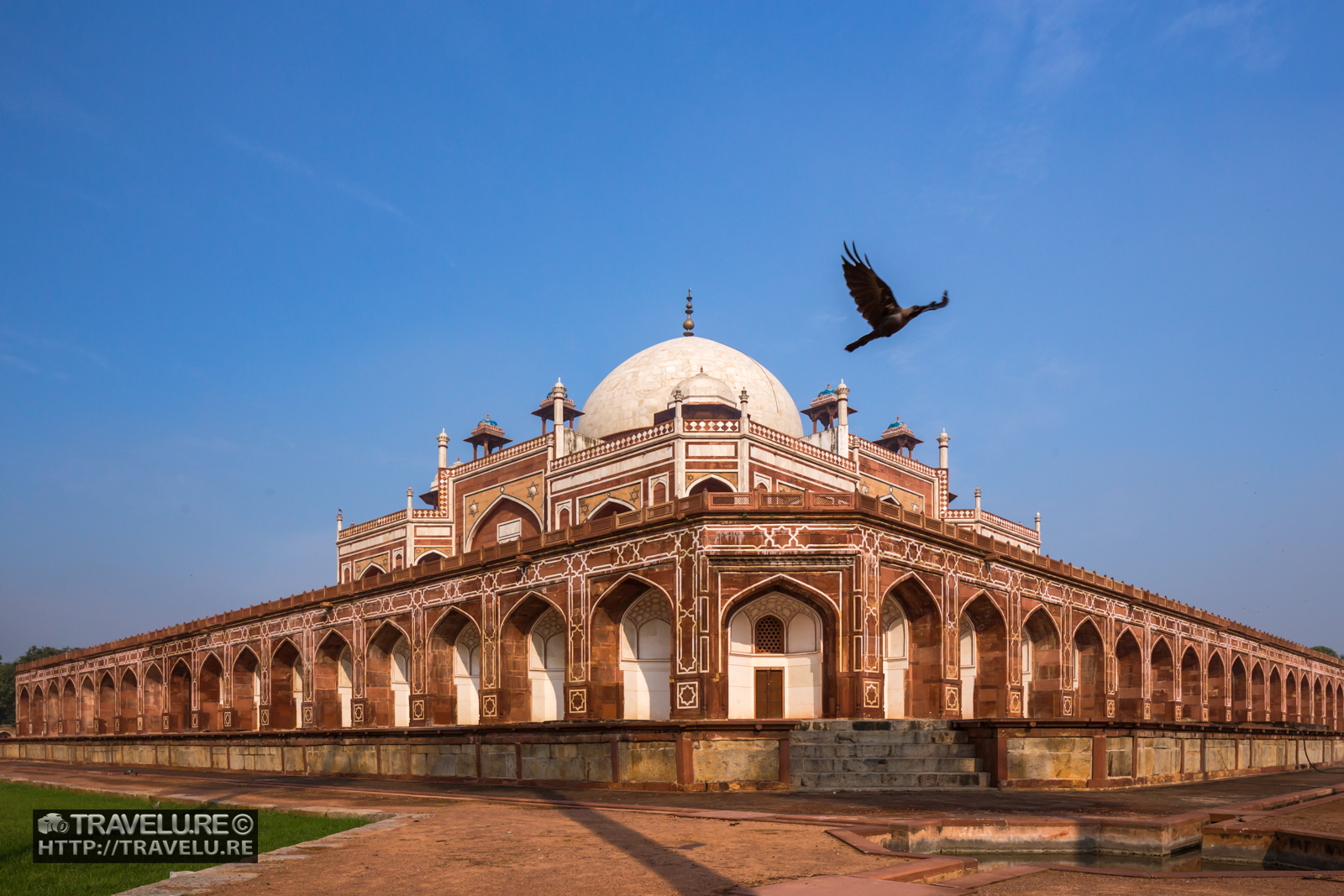
Delhi has the Qutb Minar. Delhi has the Red Fort. But Humayun’s Tomb is the one that rewards the photographer most richly, and the one most visitors underestimate. Built in 1570, it was the first garden-tomb on the Indian subcontinent and the direct architectural ancestor of the Taj Mahal: the same charbagh layout, the same elevated platform, the same interplay of red sandstone and white marble. The Taj could not have existed without this.
The tomb sits at the centre of a perfectly maintained charbagh, the Persian four-quadrant garden, and unlike Agra, the crowds here are manageable. I have shot it at every time of day and my conviction is unwavering: the hour before sunset, when the red sandstone turns the colour of embers, is when this monument reveals itself completely.
📷 Photographer’s Tip: Most visitors shoot from the main axial path straight ahead. Instead, shoot from the corner rather than the central axis — the corner position reveals the octagonal geometry of the elevated platform and lets both arcade wings recede into the frame simultaneously. The warm sandstone responds beautifully to early morning light. And always watch the sky above the dome — birds of prey circle the gardens constantly, and a bird in flight above that white marble dome is worth waiting for.
9. Hill Forts of Rajasthan
UNESCO Inscribed: 2013 | Type: Cultural | Best Light: Golden Hour (desert light is transformative)
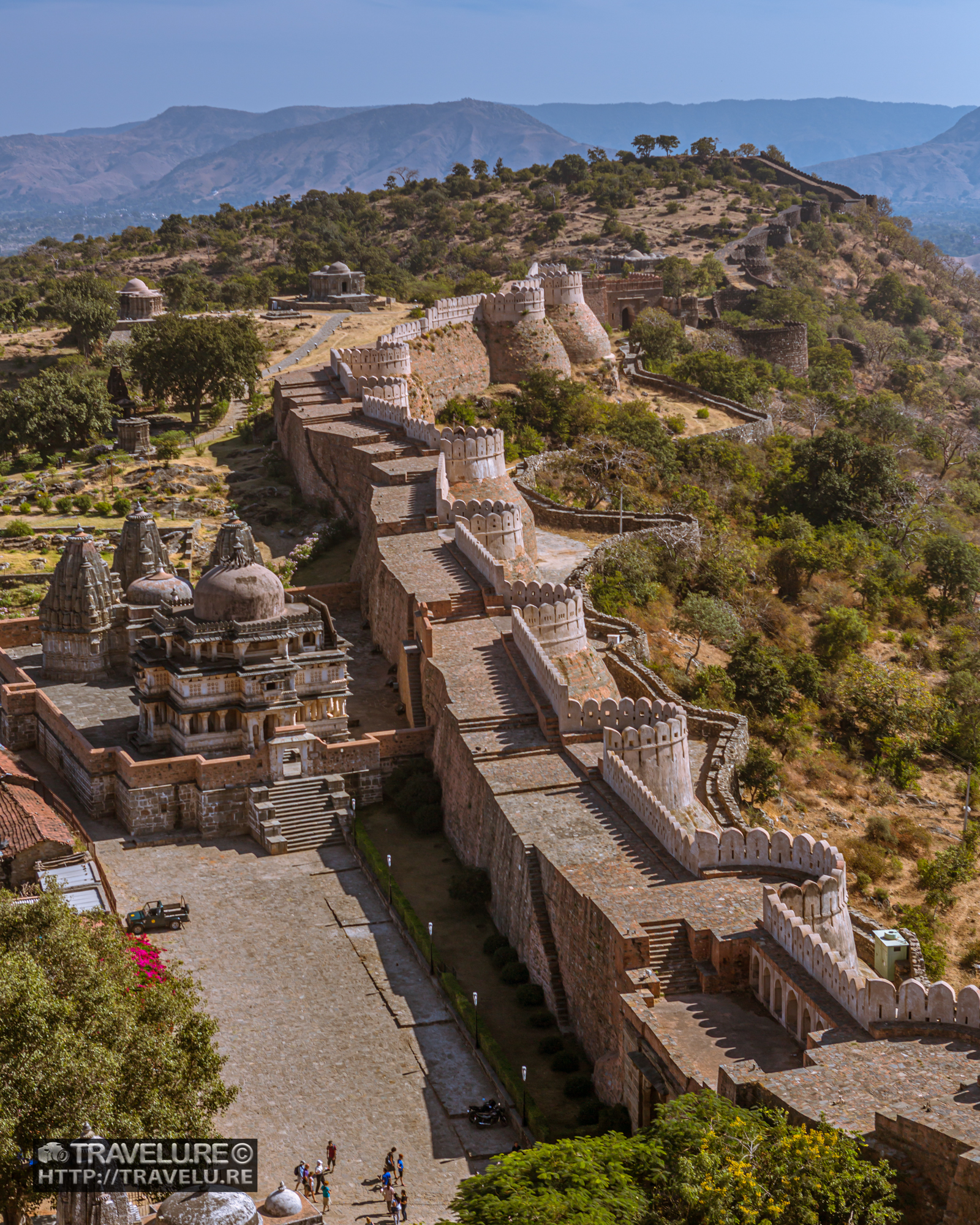
Six forts. One inscription. Chittorgarh, Kumbhalgarh, Sawai Madhopur (Ranthambore), Gagron, Amber, and Jaisalmer: together they tell the story of Rajput military architecture, political power, and an entire civilisation’s defiance. I have visited all six, and no two feel remotely alike. Kumbhalgarh has the second longest wall in the world after the Great Wall of China. Jaisalmer rises straight from the Thar Desert like a mirage that refuses to dissolve.
If I had to choose one for the photographer’s eye, and it is an impossible choice, I would choose Kumbhalgarh from the ramparts above, where the wall stretches over ridge after ridge into the Aravalli haze and you finally understand why they call it the Great Wall of India. Or Jaisalmer in the blue hour before dawn, when the fort glows from within from the lights of the families who still live inside it.
📷 Photographer’s Tip: No drone needed at Kumbhalgarh. Climb to the highest accessible rampart inside the fort and shoot looking outward — the wall does all the work, leading the eye over multiple ridgelines into the distance. A standard wide-angle lens captures it completely. The temples clustered inside the walls add foreground interest and human scale against the military enormity behind them. On the ground, at Jaisalmer particularly, the narrow lanes inside the living fort at blue hour offer extraordinary street photography opportunities alongside the heritage architecture.
Read: Kumbhalgarh on Travelure |
Read: Jaisalmer Fort on Travelure
10. Fatehpur Sikri | Uttar Pradesh
UNESCO Inscribed: 1986 | Type: Cultural | Best Light: Sunrise (the entire city faces east)
Fatehpur Sikri is the ghost city of the Mughals. Akbar built it in red sandstone between 1571 and 1585, made it the capital of his empire, and then abandoned it within a decade, reportedly due to a water shortage. Since then it has stood intact, exactly as left: the Panch Mahal, the Buland Darwaza, the Jama Masjid, the palaces of his three queens. A city frozen in the moment of departure.
The Buland Darwaza, the Gate of Victory, is 54 metres of pure Mughal authority and the largest ceremonial gateway in the world. Walking through it into the Jama Masjid courtyard is a transition from scale to proportion that architectural photography alone cannot fully explain. You feel it in the body.
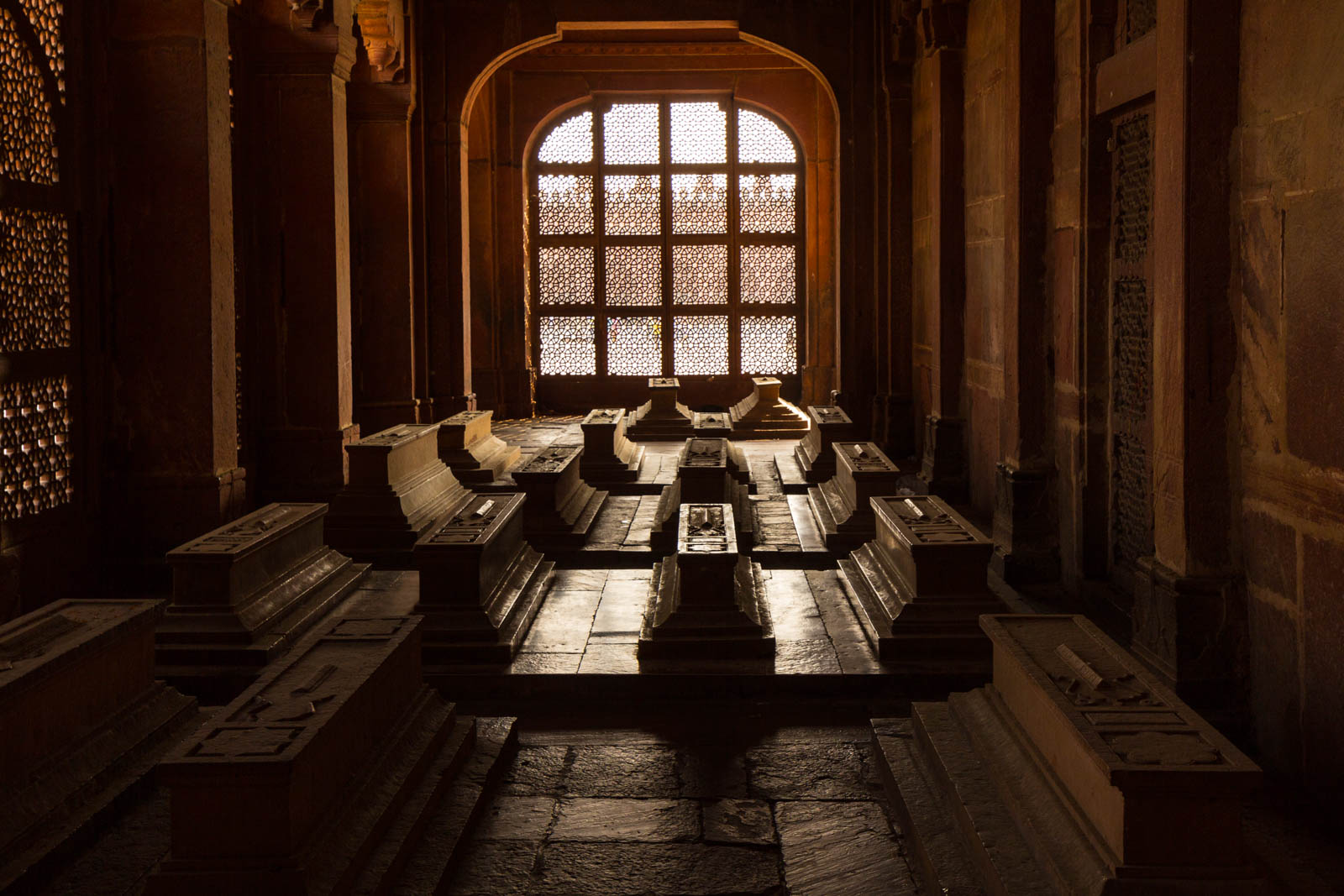
But Fatehpur Sikri’s most private moments are inside. The chambers are dark, the jali screens filter the outside light into something almost sacred, and the cenotaphs sit in a silence that the thousands of visitors outside never quite penetrate. This is where the photography tip about avoiding midday applies most strongly — harsh exterior light makes interior shooting even harder. Come early, let your eyes adjust, and shoot into the light source.
📷 Photographer’s Tip: Fatehpur Sikri is almost entirely red sandstone, which means it is at its photographic best in the warm tones of sunrise and golden hour. The Panch Mahal, a five-storey pavilion of diminishing colonnades, is best photographed from the courtyard diagonally below, using a wide-angle lens to capture all five levels and the sky simultaneously. Avoid midday entirely; the light turns flat and the stone loses all its texture. Inside the chambers, shoot toward the jali screens and expose for the backlit lattice — let the interior fall into shadow. The contrast between the glowing screen and the dark stone is where Fatehpur Sikri’s soul lives.
Explore Uttar Pradesh on Travelure
A Photographer’s Parting Note
India has 44 UNESCO World Heritage Sites. I have visited and photographed most of them. Each one taught me something different: about patience, about light, about what civilisations choose to preserve. The ten sites above are not necessarily India’s “best” by any objective measure. They are the ten that changed something in me.
If you are planning a UNESCO-focused India trip, resist the urge to tick boxes. Spend longer at fewer places. Return at dawn if you visited at noon. Let the place ask something of you. That is where the real photographs live.
Have you visited any of these? Which one moved you most? Leave a comment below.
Ajay Sood, Travelure ©
Award-winning Travel Photographer · Canon Photo Mentor · 110+ UNESCO Sites & Counting